99 ARL Statistics 2014–2015
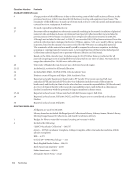
Question Number Footnote
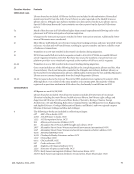
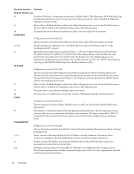
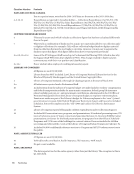
NOTRE DAME cont.
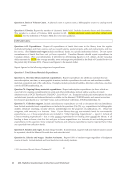
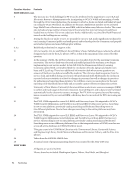
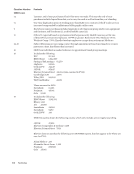
7.c Collection support expenditures consist primarily of memberships for the purpose of obtaining/
accessing publications and literature searching plus Interlibrary Loan and Binding. A decrease
in collection support expenditures is due to additional payments for ILL shared resources that
were billed but not paid prior to year-end. [Main Library]
8.c, 13.c In order to manage budgets within the constraints of available resources, and to accommodate
changing organizational needs, student hours have purposefully been more closely controlled
resulting in lower expenditure and less FTEs. [Main Library]
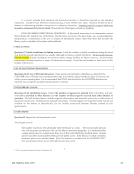
9 For the Main libraries, the increase in other library operating expenditures was a result of
increases in several categories. The most notable were expenditures for additional equipment,
supplies and technology related to the establishment of an offsite book repository. [Main
Library]
9 “Other operating expenditures” includes supplies for housing collections (mainly boxes, folders,
and sleeves), shipping for donated collections, very minor collection purchases (under $1,000),
capital equipment, repair and maintenance, postage, duplication, office supplies, and all other
non-salary expenditures. [University Archives]
10 “Fringe Benefits” include employer’s share of government taxes (FICA, SSI, FUTA
(Unemployment), worker’s comp, etc.) as well as health insurance and retirement benefits for
eligible employees. [Main Library and University Archives]
11 Fringe benefits rates vary by employee class, therefore, the rate for full-time librarians (faculty)
26.9% has been reported. The rate for full-time exempt staff and professionals is 32.6% and the
full-time non-exempt staff is 50.5%. Rates for part-time employees vary from 1.7% for student
employees to 16.6% for part-time staff and faculty (librarians). [Main Library]
11 We believe the “Official designated percents” are still: 27.1% for professional staff, 41.7% for
support staff, 7.9% for on-call staff, and 1.3% for student workers. [University Archives]
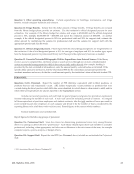
14, 15 Tracking software is used to record presentations and participants in those presentations,
however, not all librarians have consistently used the software. Therefore, the statistic reported
may not include all activity. [Main Library]
16 Reference transactions have been tracked consistently. However, for some branch libraries,
general and directional questions have not been tracked separately and are included in the
statistic. [Main Library]
16.a The “Number of reference transactions” figure is based half on counts and half on extrapolation.
[University Archives]
22 Lending requests filled dropped by 18% due in part to the decrease in requests for materials
received and a large drop in OCLC articles filled. The decreased fill rates were due in part to the
unavailability of material requested that was frequently charged out to our own users. [Main
Library]
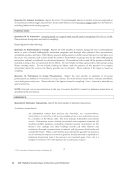
28 Due to the small number of part-time students that enroll each year, the entire change in
this statistic results from a variation of 29 students resulting in a decrease of 13%. Full-time
enrollment increased in both the undergrad and graduate level. The overall increase in the FTE
student enrollment was 55 students and 0.5%. [Main Library]
30 Due to the small number of part-time students that enroll each year, the entire change in this
statistic results from a variation of 29 students and a decrease of 14.6% in part-time graduate
student enrollment. Full-time enrollment increased at the graduate level resulting in an overall
increase of 84 FTE students and 2.4%. [Main Library]
OHIO
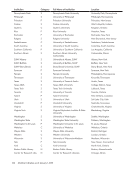
Library branches included: Regional campuses (Chillicothe, Lancaster, Southern, Eastern,
Zanesville), OU-HCOM LRCs (Athens, Dublin, Cleveland), and the Southeast Ohio Regional
Depository.
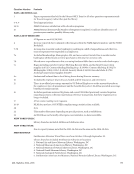
Question Number Footnote
NOTRE DAME cont.
7.c Collection support expenditures consist primarily of memberships for the purpose of obtaining/
accessing publications and literature searching plus Interlibrary Loan and Binding. A decrease
in collection support expenditures is due to additional payments for ILL shared resources that
were billed but not paid prior to year-end. [Main Library]
8.c, 13.c In order to manage budgets within the constraints of available resources, and to accommodate
changing organizational needs, student hours have purposefully been more closely controlled
resulting in lower expenditure and less FTEs. [Main Library]
9 For the Main libraries, the increase in other library operating expenditures was a result of
increases in several categories. The most notable were expenditures for additional equipment,
supplies and technology related to the establishment of an offsite book repository. [Main
Library]
9 “Other operating expenditures” includes supplies for housing collections (mainly boxes, folders,
and sleeves), shipping for donated collections, very minor collection purchases (under $1,000),
capital equipment, repair and maintenance, postage, duplication, office supplies, and all other
non-salary expenditures. [University Archives]
10 “Fringe Benefits” include employer’s share of government taxes (FICA, SSI, FUTA
(Unemployment), worker’s comp, etc.) as well as health insurance and retirement benefits for
eligible employees. [Main Library and University Archives]
11 Fringe benefits rates vary by employee class, therefore, the rate for full-time librarians (faculty)
26.9% has been reported. The rate for full-time exempt staff and professionals is 32.6% and the
full-time non-exempt staff is 50.5%. Rates for part-time employees vary from 1.7% for student
employees to 16.6% for part-time staff and faculty (librarians). [Main Library]
11 We believe the “Official designated percents” are still: 27.1% for professional staff, 41.7% for
support staff, 7.9% for on-call staff, and 1.3% for student workers. [University Archives]
14, 15 Tracking software is used to record presentations and participants in those presentations,
however, not all librarians have consistently used the software. Therefore, the statistic reported
may not include all activity. [Main Library]
16 Reference transactions have been tracked consistently. However, for some branch libraries,
general and directional questions have not been tracked separately and are included in the
statistic. [Main Library]
16.a The “Number of reference transactions” figure is based half on counts and half on extrapolation.
[University Archives]
22 Lending requests filled dropped by 18% due in part to the decrease in requests for materials
received and a large drop in OCLC articles filled. The decreased fill rates were due in part to the
unavailability of material requested that was frequently charged out to our own users. [Main
Library]
28 Due to the small number of part-time students that enroll each year, the entire change in
this statistic results from a variation of 29 students resulting in a decrease of 13%. Full-time
enrollment increased in both the undergrad and graduate level. The overall increase in the FTE
student enrollment was 55 students and 0.5%. [Main Library]
30 Due to the small number of part-time students that enroll each year, the entire change in this
statistic results from a variation of 29 students and a decrease of 14.6% in part-time graduate
student enrollment. Full-time enrollment increased at the graduate level resulting in an overall
increase of 84 FTE students and 2.4%. [Main Library]
OHIO
Library branches included: Regional campuses (Chillicothe, Lancaster, Southern, Eastern,
Zanesville), OU-HCOM LRCs (Athens, Dublin, Cleveland), and the Southeast Ohio Regional
Depository.